You book a four-star hotel, arrive with expectations, and wonder why the lobby feels tired and the service feels like a three-star property. It happens to travelers all the time, and the reason is simple: hotel star ratings mean different things depending on who awards them. A tourism board in one country, a booking platform, and a travel agency can each look at the same property and give it a different rating.
This guide explains how hotel star ratings actually work, who assigns them, and why the same hotel can legitimately carry different ratings in different places. We’ll walk through what each tier, from 1-star to 5-star, typically promises, where the ratings fall short, and how to judge real quality beyond the stars. By the end, you’ll know how to combine a rating with reviews and a quick check of who awarded it, so the hotel you book matches the stay you imagined.
Who Assigns Hotel Star Ratings, and Why They Differ
Here’s the first surprise about star ratings: no single worldwide authority assigns them. Most countries run their own official grading system, usually operated by a government tourism body, and each one has its own checklist of what a hotel must offer to earn each star. One system might insist on a fitness room at 4 stars, while another cares more about staff training or room size.
On top of the official systems, booking platforms and travel agencies often display their own self-rated stars. These are based on internal criteria, sometimes a mix of the hotel’s own claims, listed facilities and automated scoring. That’s why the same hotel can legitimately be a 4-star in one country’s official classification and show up as a 5-star on a booking site, with nothing dishonest happening on either side.
What inspectors actually check
Where official systems are used, inspectors typically visit the property and assess facilities, services and overall condition. But the weightings vary between systems: one country might score bathroom quality heavily, another might focus on dining options or staff-to-guest ratios. The lesson for travelers is simple. Before you trust the stars, check which system awarded them, because a rating from a national tourism board and a rating from a booking platform are two very different things.
What 1-Star and 2-Star Hotels Really Offer
At the bottom of the scale, a 1-star hotel gives you the essentials: a room with a bed and a bathroom, and not much else. Daily housekeeping is often not included, and you shouldn’t expect a front desk staffed around the clock. These properties exist to provide a clean, inexpensive place to sleep, and they do it without pretense. If you arrive with low expectations and a flexible attitude, they rarely disappoint for the price.
Move up to 2 stars and the basics get more reliable. You’ll typically find a 24-hour front desk and daily housekeeping, and sometimes a simple breakfast or a vending area in the lobby. Rooms stay compact, on-site dining is limited or absent, and public spaces are minimal, but the core experience becomes far more predictable. For many budget travelers, this tier is the point where a hotel stops feeling like a gamble and starts feeling like dependable lodging.
When these tiers make sense
- City stopovers: if you land late and leave early, a basic room near the station or airport beats paying for facilities you’ll never use.
- Short stays: for one or two nights, a compact room with reliable housekeeping covers everything you actually need.
- Outdoor-focused trips: travelers who spend all day hiking, sightseeing or working elsewhere often find 1-star and 2-star hotels the best value in the area.
- Budget stretching: saving on the room can free up money for meals, tours or an extra night somewhere more memorable.
The main thing to check before booking is what’s explicitly included. Ask whether housekeeping happens daily or on request, whether there is any staffed reception window at all, and whether luggage storage is available if you have an early checkout. A quick message to the property before you book can save you an awkward surprise at check-in, especially at smaller 1-star places where services may be minimal and hours irregular.
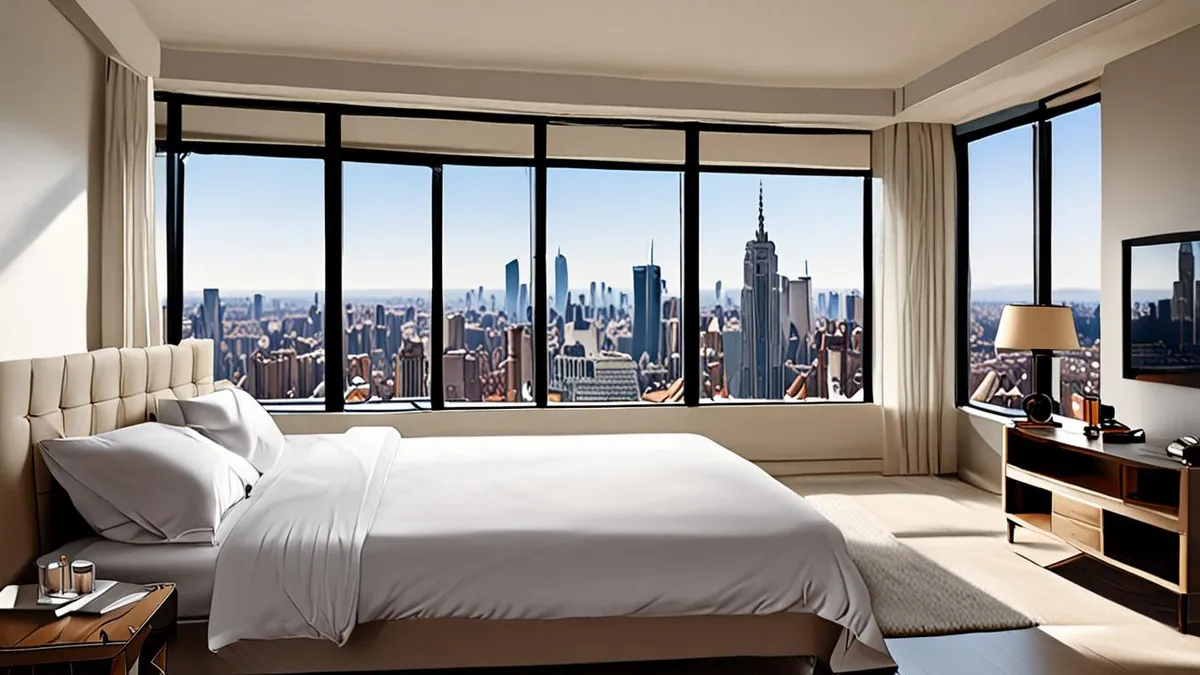
What 3-Star Hotels Promise the Average Traveler
The 3-star tier is where hotels start to feel like proper hotels rather than just rooms for rent. Most systems expect an on-site restaurant or bar, room service and a fitness room at this level. If you like having a drink or dinner without leaving the building, this is usually where that becomes standard rather than an occasional bonus. For many travelers, it is also the first tier where the hotel itself becomes part of the trip rather than simply a place to sleep.
Rooms grow noticeably compared to the budget tiers. You can expect better bedding, a work desk and a proper en-suite bathroom rather than something cramped or improvised. Service also becomes more structured: luggage help at check-in, daily housekeeping you can rely on, and front-desk hours that are consistent rather than sporadic. Many properties in this category also add small touches such as elevators, a lobby lounge and same-day laundry, which make longer stays far more comfortable.
What you typically get at 3 stars
- Breakfast service: many 3-star properties include a breakfast buffet or offer one for a modest supplement, worth confirming before you book.
- Wi-Fi and workspace: a desk in the room and internet access are standard expectations at this level, useful for remote workers.
- Central locations: 3-star city hotels often sit in convenient areas, since they compete on practicality rather than resort-style amenities.
- Family-friendly options: larger rooms and connecting configurations are more common here than in budget tiers.
For most travelers balancing comfort against price, 3 stars are the sweet spot. You get dependable service, a restaurant downstairs and facilities that genuinely work, without paying for the concierge desks, spas and premium extras that 4-star and 5-star properties charge for. If your days are spent sightseeing or working and you mainly want a comfortable, well-located base with a good meal at the end of it, this tier usually delivers the best value for money.
What 4-Star Hotels Add on Top
Step up from a 3-star property and you enter territory where service becomes personal. At 4-star hotels, a concierge who can arrange dinner reservations or airport pickups, a pool or spa area, and premium bedding and toiletries are standard expectations rather than pleasant surprises. The extra star is largely about how the hotel makes you feel, not just what it contains.
Expect more than one place to eat and drink, furnishings of noticeably better quality, and often meeting or event space on site. Staff-to-guest ratios also rise, which means your requests are handled faster and with more attention to detail. If you mention a preference at check-in, a good 4-star team will usually remember it.
Before you book, it helps to know which specific extras justify the higher rate:
- Concierge desk: a dedicated staff member who secures restaurant tables, books tours and can often arrange transport, saving you hours of planning.
- Pool or spa area: typically a proper swimming pool, hot tub or treatment rooms, so you can unwind without leaving the property.
- Premium bedding and toiletries: higher-thread-count linens, better mattresses and branded bath products, which make a real difference on longer stays.
- Meeting or event space: conference rooms and banquet facilities that make the hotel a practical base for business trips or weddings.
This tier suits business travelers and holidaymakers who want genuine comfort and attentive service without paying for full luxury. If your priority is a smooth, well-cared-for stay rather than butler service and designer lobbies, a 4-star hotel is often the smartest spend.
What 5-Star Ratings Require and Where They Fall Short
At the top of most national systems sit 5-star hotels, and the requirements are demanding. Generally, expect multiple restaurants and bars, 24-hour room service, a spa or pool, and high staff-to-guest ratios. Some properties employ several staff members per guest room, which is why a fresh towel or a late-night meal arrives without delay.
What many travelers miss is that inspectors grade far more than facilities. Design, materials and personalized service standards are assessed too: think marble bathrooms, fresh flowers refreshed daily, and staff trained to greet returning guests by name. The checklist rewards consistency across every touchpoint, from the valet to the turn-down service.
Where the badge falls short
A 5-star rating guarantees facilities on paper, not that every guest experience will feel flawless. An aging property can technically meet the criteria while feeling tired, and service quality can drift after an inspection. That is why recent guest reviews matter so much at this level. Scan the last few months of feedback and look for patterns: repeated praise for the concierge or repeated complaints about slow housekeeping tell you more than the plaque in the lobby ever will.
If you are weighing whether the top tier is worth the price for a special trip, our guide to choosing a luxury hotel for a once-in-a-lifetime experience breaks down what to look for beyond the rating itself.
How to Judge Hotel Quality Beyond the Stars
Stars are a useful shorthand, but they only tell part of the story. The same hotel can carry different ratings depending on who assessed it, and a self-rated listing on a booking site can differ noticeably from an official national classification. Two hotels with identical star counts can feel worlds apart in person, because the stars describe facilities on paper rather than the experience you will actually have. A short routine before booking will give you a far truer picture, and none of it requires more than a few minutes of your time.
- Identify who awarded the rating. Check whether it comes from a government or tourism-board system or from the booking platform itself, and which country’s system applies. This tells you how much weight the stars deserve.
- Match facilities to your needs. Compare the listed amenities against what you will actually use, such as a pool, an airport transfer or family rooms. A 4-star without a pool may suit you better than a 3-star with one, depending on your trip.
- Read reviews from the last six months. Older feedback reflects a previous manager, renovation or standard. Recent reviews give the most accurate picture of current condition and service.
- Study guest photos. Traveler-uploaded images show the worn carpet, the real view from the window and the actual bathroom, details official hotel photography tends to flatter or omit.
None of these steps takes more than a few minutes, yet together they catch most unpleasant surprises. You might discover that the “recently renovated” lobby was actually redone several years ago, or that the praised breakfast has slipped since a new catering contract started. Pay special attention to comments about cleanliness, noise and how staff handled problems, since these reveal more about daily standards than any star tier can. Run through the full routine whenever the stakes are high, such as a honeymoon, a family trip or a long business stay where you will spend real time in the room. For a one-night stopover, a quicker check of recent reviews and a few guest photos is usually enough. Either way, you will book with far more confidence than the stars alone can offer, and you will rarely be caught off guard at check-in.
The Star Rating Takeaway
So why did that “four-star” hotel feel more like a three-star? Because there is no single worldwide authority handing out stars. Most national systems run from 1 to 5 stars, but each country and each booking platform applies its own criteria, so the same property can end up with two very different scores from two very different graders.
The good news is that each star tier adds measurable extras, from a 24-hour front desk at 2 stars to multiple dining venues and high staff-to-guest ratios at 5 stars. That gives the stars some real meaning once you know which system is behind them.
The trick is to combine the rating with recent guest reviews and a quick check of who actually assigned it. That gives you the truest picture of what you are booking. If this helped you decode your next hotel choice, leave a comment or share the article.