You love the idea of glamping in Scotland, but a quick search throws up hundreds of options: lochside pods in the Highlands, beach-side yurts on the islands, treehouses an hour from Edinburgh. Choosing the wrong region or the wrong month can turn a dream trip into a soggy disappointment, and prices swing wildly depending on when you book.
This guide breaks the country down into three regions, each suited to a different kind of traveler, and explains what makes glamping here better than a standard hotel stay. You’ll find out when the weather and daylight work in your favor, which months offer the best value, and how to spot a well-run site before you commit. We’ll finish with practical booking advice, including how far ahead to reserve and what you can expect to pay. By the end, you should know exactly where to go, when to go, and how to lock in the right site for your trip.
Why Glamping in Scotland Beats a Standard Hotel Stay
The biggest argument for glamping in Scotland is the view from your bed. Instead of staring at a hotel car park, you unzip the door or pull back the curtains to find a loch shimmering below, a glen stretching into the distance, or dunes and sea right outside. Many sites are deliberately positioned so that the scenery is the first thing you see each morning, and that simple detail changes the whole feel of a trip.
Comforts you won’t expect in the middle of nowhere
Forget the leaky tents of school trips. Modern glamping sites come with proper beds, wood burners, en-suite bathrooms, and often a small kitchen or deck with outdoor seating. You get the sensation of sleeping in the wild with the practical comforts of a hotel room, which makes the experience work for couples, families, and anyone who doesn’t fancy camping in the rain.
One base, plenty to explore
Because most sites stay put in one beautiful spot, you can unpack once and explore from there. Walking trails often start close by, and many regions offer distilleries, villages, and small cafés within a short drive. That mix of outdoor days and cozy evenings by the fire is exactly what makes glamping in Scotland memorable rather than just another place to sleep.
The Scottish Highlands: Lochs, Glens and Remote Escapes
If your mental image of Scotland involves towering mountains, mirror-still lochs, and long empty roads, the Highlands deliver exactly that. This is the region for dramatic scenery, genuinely dark night skies, and the chance to spot wildlife such as red deer on the hillsides or golden eagles overhead. On a clear evening, stepping outside your pod to a sky full of stars is an experience no city hotel can match.
How far you’ll need to travel
The Highlands sit roughly 2-3 hours by car from Edinburgh or Glasgow, so this region suits travelers who are happy to drive and want to feel properly remote when they arrive. The roads are scenic but winding, so build extra time into your journey rather than trusting map estimates alone. Fuel up before you head into the glens, as services can be sparse in the remoter spots.
Where to base yourself
Look for glamping sites near Loch Ness, Glen Coe, or within reach of Cairngorms National Park. These areas combine spectacular surroundings with practical advantages: waymarked trails start close to many sites, so you can head straight out on foot in the morning without driving anywhere. The Cairngorms in particular offer a gentler, forested landscape that works well if you want easier walking, while Glen Coe delivers the full dramatic mountain experience right outside your door.
Nothing beats waking up a few steps from the sea, and that’s the signature experience of the Hebrides and the west coast. Choose Skye, Mull, or the Argyll coastline and you’ll find pods and yurts positioned for sea views, with some sites sitting practically on the beach. The light here is famous among photographers, and even a cloudy day brings shifting skies and dramatic seascapes that keep you watching the horizon.
The trade-off is weather. The west coast and islands are exposed to Atlantic winds, and conditions can change several times in a single day, even in summer. Pack layers and waterproofs no matter what the forecast says, and choose a site with solid, weatherproof structures rather than lightweight canvas if you’re traveling outside the calmest months.
Ferries are the other big planning factor. Crossings to the islands fill up and timetables shape what’s realistic in a short trip, so plan your arrival and departure days around the sailing schedule rather than the other way round.
- Book ferries with your vehicle early: sailings on popular routes can fill weeks in advance in summer, so reserve the crossing before you confirm your pod.
- Check foot passenger options: on some routes you can travel without a car and use local buses or walk to nearby sites, which keeps your itinerary flexible.
- Build a buffer day: rough weather occasionally delays sailings, so leaving slack in your schedule avoids a stressful dash to the terminal.
- Stock up on the mainland: island shops can be small and expensive, so buy groceries before you cross if your pod has cooking facilities.
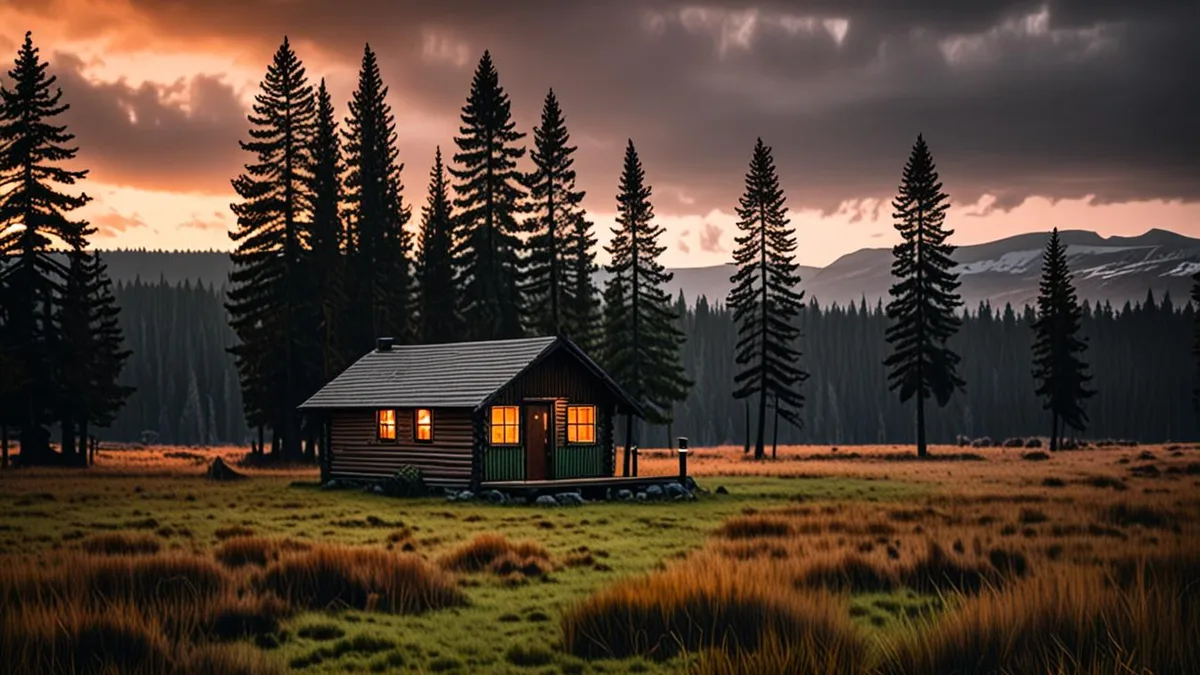
The Hebrides and West Coast: Island Glamping by the Sea
If your idea of glamping involves falling asleep to the sound of waves, the Hebrides and the west coast are hard to beat. The Isle of Skye draws the biggest crowds, with pods and cabins overlooking sea cliffs and the Cuillin hills. Mull offers a quieter alternative, with coastal sites handy for boat trips and wildlife watching. Along the Argyll coastline, you will find beach-side pods and yurts scattered around lochs and inlets, often within easy reach of Oban.
One thing to accept before you book: the weather here is famously changeable. Even in June to August, the warmest and driest stretch of the year, you can get four seasons in a single afternoon. Coastal sites take the brunt of Atlantic winds, so pack layers, a proper waterproof jacket and sturdy shoes no matter what the forecast says. A pod with heating makes a damp evening far more enjoyable.
- Check ferry timetables before fixing your dates. Crossings to Mull and Skye from the mainland are frequent in summer but can be reduced in shoulder months, and popular sailings often need advance booking with a vehicle.
- Build a buffer into your arrival day. Weather delays and missed connections happen, so aim to reach your site with daylight to spare rather than cutting it close to the last crossing.
- Consider which island base suits your plans. Skye works well for dramatic drives and hiking, while Mull and Argyll suit slower trips with wildlife tours, sandy beaches and village pubs.
- Ask hosts about midge protection. Many coastal and island sites provide midge nets or screens for the warmer months, which makes summer evenings far more comfortable.
The Borders and Perthshire: Easy Trips from the Cities
If the idea of a remote Highland track makes you nervous, start here. The Scottish Borders and Perthshire sit under 90 minutes from Edinburgh or Glasgow, which makes them ideal for first-time glampers or a spontaneous weekend away. You can finish work on a Friday and still be zipping open a pod door before dinner.
The landscape here is gentler than the northwest Highlands: rolling woodland, river valleys and low hills that suit yurts, camping pods and treehouse-style stays beautifully. Many sites tuck themselves into small woodlands or beside rivers like the Tweed and the Tay, so you get that immersed-in-nature feeling without a long drive on single-track roads.
Why families love this region
Short distances and gentle terrain make the Borders and Perthshire a natural pick for families. Little legs can manage the woodland trails, and you are rarely far from a rainy-day backup: country parks, castles, farm attractions and small market towns sit within easy reach of most sites. If the weather turns, a 20-minute drive usually solves it.
It is also a budget-friendly way to test whether glamping suits you before committing to a longer, more remote trip. And if you catch the glamping bug and fancy something more dramatic later, you can always trade green glens for sand dunes on a trip like celebrating in style at Dubai’s most opulent desert retreats. For now, Perthshire’s rivers and the Borders’ quiet lanes offer plenty of magic on their own.
When to Go: Choosing Your Season for Glamping in Scotland
Timing shapes a Scottish glamping trip more than almost any other decision. June to August brings the warmest, driest weather of the year, and in northern Scotland the midsummer daylight stretches to 17-18 hours, so you can hike after dinner and still read your book outside at ten in the evening. The trade-off is simple: this is peak season, so sites fill early and prices sit at their highest.
May and September are the sweet spot for many travelers. Conditions stay mild, midges are usually less troublesome than in high summer, popular areas feel calmer, and rates drop noticeably. You lose a few hours of evening light compared with June, but you gain quiet trails and easier bookings.
From November to March, forget canvas. Winter glamping in Scotland means hard-sided cabins and lodges only, ideally with a wood burner, proper insulation and a short walk to the bathroom block or an en-suite. Done right, it is wonderfully cozy, but check exactly what heating a winter unit has before you book.
- Midweek beats weekend on price: rates typically run 20-30% cheaper from Monday to Thursday in any season, which can turn a lodge into genuine value.
- Midge season matters in the west: on the west coast and islands, midges are most active in warm, still summer spells, so shoulder-month trips often mean more comfortable evenings outdoors.
- Daylight swings dramatically: the long northern summer evenings reverse by winter, when days can feel very short, so plan winter stays around indoor comforts rather than sightseeing marathons.
- Book around local events: Highland games, festivals and school holidays push demand up in specific weeks, so check the calendar for your chosen region before fixing dates.
How to Spot the Best Sites and Book Ahead
Not all glamping sites are equal, and the photos rarely tell the whole story. A few minutes of focused research saves you from a cold night in a drafty tent, so treat choosing a site like a short checklist rather than a scroll through pretty pictures. These steps will narrow the field fast and help you book with confidence.
- Filter for the essentials first. Prioritize en-suite facilities, heating and real beds when comparing listings. A wood burner or electric heater matters even in July, and a proper mattress is the difference between a restorative break and a stiff-necked one.
- Book early for peak summer. Reserve 3-6 months ahead for July and August, the busiest window, especially if you want a popular lochside or island site with limited units. The best sites fill first.
- Budget realistically. Expect roughly £80-150 per night for pods and yurts, and £200-400 for luxury lodges with hot tubs, full kitchens or panoramic windows. If a listing sits far outside those ranges, dig into what is actually included before you pay a deposit.
- Read reviews like a local. Scan host reviews for mentions of weather resilience, access roads and cancellation terms. Narrow lanes, steep tracks and exposed coastal sites all come up repeatedly in honest reviews, and hosts rarely photograph them.
- Match the site to your trip style. A remote bothy-style cabin suits stargazers; a site with a playground and farm animals suits families. Decide what your days look like before you commit.
Once you have shortlisted two or three sites, message the hosts directly with any questions about access, heating or late arrivals; good hosts answer quickly and honestly, and their replies tell you a lot about how the stay will go. And if you decide you want the glamping aesthetic with full hotel service behind it, browse the best luxury hotels for a glamping experience, where canvas and comfort meet at a different level entirely.
Wrapping Up Your Scottish Glamping Plan
Choosing where to go glamping in Scotland comes down to the kind of trip you want. The Highlands suit travelers chasing dramatic scenery, dark skies and wildlife. The Hebrides and west coast deliver sea views and beach-side pods, with a bit of ferry planning. Perthshire and the Borders make the easiest option for first-timers and families, with gentler terrain and short drives from the cities.
Timing matters just as much. May, June and September strike the best balance of weather, daylight and value, while peak summer offers the warmest conditions and the longest days. If you have your heart set on July or August, book 3-6 months ahead to secure the most popular sites. Wherever you end up, Scotland’s glamping scene makes it easy to wake up somewhere memorable. If you have a favorite region or a tip of your own, leave a comment or share this article with a fellow traveler.