Choosing when to book a Banff mountain lodge is harder than it looks. Do you chase warm-weather hiking and accept peak-season crowds, or trade sunshine for snowy trails and cozy fireside evenings? And what about those quieter shoulder months, when rates drop but the weather can be unpredictable? Without a clear picture of what each season really delivers, it’s easy to book the wrong month for the trip you actually want.
This guide breaks the year down season by season. We’ll cover why timing matters so much for a lodge stay here, the trade-offs of peak summer, what winter brings for skiers and snow lovers, and when the shoulder seasons offer the best balance of savings and scenery. You’ll also find practical advice on matching your travel dates to your priorities, plus tips on getting there and how many nights to plan. By the end, you should know exactly which month fits your kind of Rockies trip.
Why Timing Matters for a Banff Mountain Lodge Stay
The same Banff mountain lodge can feel like two completely different trips depending on the month you walk through its doors. In July, you might spend your days hiking to turquoise lakes and your evenings on a sunlit patio. In January, the same room becomes a warm base for ski days and long, dark evenings by the fire. Neither is better — but they’re not the same vacation, and booking blindly is how travelers end up disappointed.
What the season actually controls
Season drives nearly everything about your stay. It sets the price you’ll pay per night, how crowded the trails and viewpoints will be, which hiking paths are open or buried under snow, and whether activities like canoeing, skiing or wildlife watching are realistic. A lodge that’s easy to book in November may be fully committed by spring for August dates.
The elevation factor
Banff’s high elevation in the Rockies means the seasons are more extreme than in lower-elevation destinations. Summers are short, with reliable warmth concentrated in a narrow window, while winters stretch long and cold. Spring arrives late at higher elevations, and autumn can turn wintry quickly. That compressed calendar is exactly why choosing your dates carefully matters more here than it would on a coastal or lowland trip — a few weeks on either side of your ideal month can change the entire character of your stay.
Summer (Late June to Early September): Peak Season Trade-offs
Summer is when Banff shows off. Late June through early September brings the warmest weather of the year, with July daytime highs averaging around 22°C — comfortable for full days on the trail. Daylight hours stretch long, so you can hike in the morning, visit a lake in the afternoon and still have light for an evening stroll. This is the season for alpine meadows, canoe rentals and photo stops at every viewpoint.
The trade-off: crowds and cost
All that appeal comes at a price, literally. Summer carries the highest lodge rates of the year, often running 30-50% above what the same room costs in shoulder season. Popular trailheads and parking lots fill early, and even quiet lodges feel busier than they do the rest of the year. If you value solitude, summer will test that preference.
Booking strategy for peak season
The practical rule is simple: book 3-6 months ahead. Lodges fill fastest in July and August, and the best-value rooms and cabins tend to go first. If you’re set on a specific lodge or a specific week, treat early booking as part of the trip plan rather than an afterthought. Flexible travelers can sometimes find last-minute availability on weekdays, but counting on that for a peak summer stay is a gamble. Lock in your dates early, and you can spend the months before your trip planning hikes instead of refreshing booking pages.
Winter (December to March): Snow Season in the Rockies
Winter turns a Banff lodge stay into something cozier and slower-paced. The ski season runs roughly from mid-November to late May, but December through March offers the most reliable snow, making those months the safest bet for a snow-focused trip. Days are short and cold, but that’s part of the appeal: long evenings in front of a lodge fire after hours on the slopes.
Be realistic about the cold. January temperatures in Banff commonly sit between about -15°C and -5°C, so this is not a pack-light season. Bring insulated layers, a serious winter jacket, waterproof boots, gloves and a hat, and you’ll be comfortable enough to enjoy every activity on offer.
Lodge stays pair naturally with winter activities, and the mix is what makes the season special. Consider building your days around:
- Downhill skiing and snowboarding: several ski areas operate within easy reach of Banff, so you can base yourself at one lodge and vary your slopes day to day.
- Ice skating: outdoor rinks and frozen surfaces around town and nearby lakes give you a low-effort, scenic activity that costs far less than a lift ticket.
- Hot-spring soaks: a soak in the region’s hot springs is the perfect antidote to a cold day outdoors, and it pairs especially well with an evening return to the lodge.
For holiday weeks and other peak periods, book 2-4 months ahead. Those dates sell out quickly, and waiting usually means paying more or settling for less desirable rooms.
Shoulder Seasons (May to Mid-June and Late September to October)
If your priority is value and quieter trails, the shoulder seasons are hard to beat. Lodge rates during May to mid-June and late September through October typically sit well below summer peak prices, and you will feel the difference in more ways than your budget. Popular viewpoints are calmer, parking is easier, and the lodge hot tub is far less contested at the end of the day.
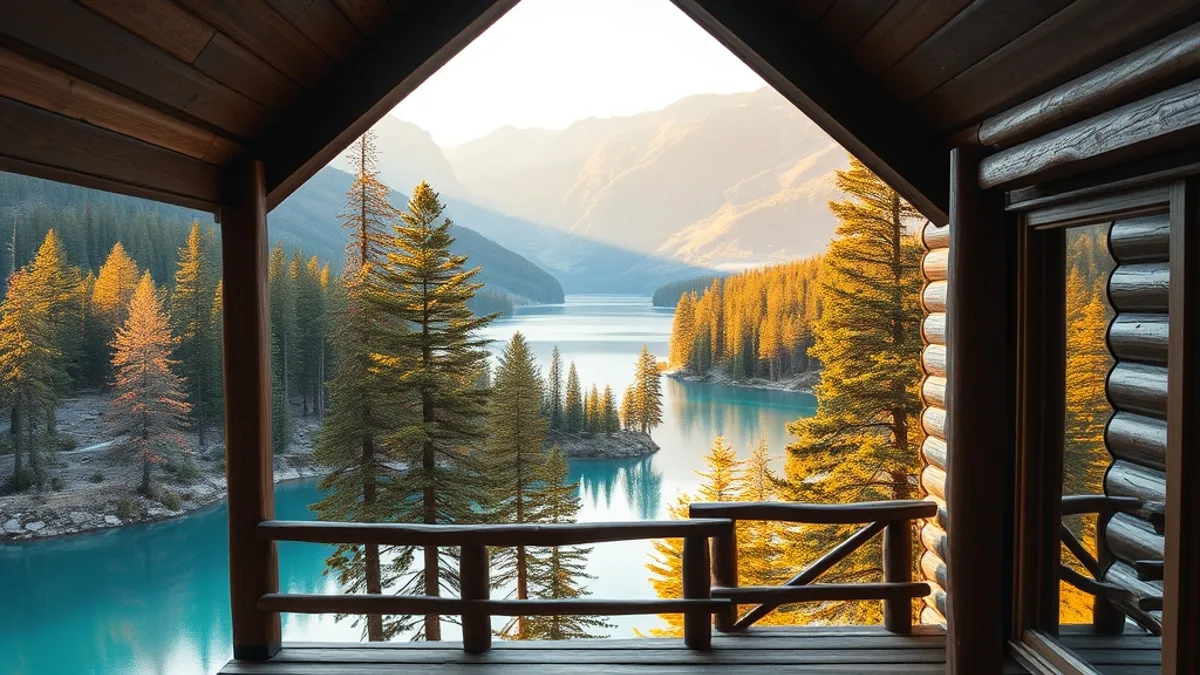
Late September is the standout for scenery. Larches and aspens turn gold across the valleys, creating the best foliage window of the year in the Rockies. Photographers plan their trips around these few weeks for good reason, since golden needles against dark evergreens and turquoise water is a combination you simply will not see in July. It is also a sweet spot for weather: days are usually crisp and comfortable for hiking, while evenings call for a fire and a good book.
What to expect in spring
May to mid-June comes with a few caveats. Higher-elevation trails can still hold lingering snow, so pack layers and check trail conditions before setting out. Lake water stays chilly well into June, which limits swimming but does nothing to dim the scenery. Wildlife is active in spring too, so keep a safe distance and bring binoculars. If you mostly want lower elevations, lodge comfort and short walks, spring works well; if high alpine hikes are the goal, wait until summer.
How to Choose Your Best Time to Stay in a Banff Mountain Lodge
Choosing the right month comes down to what you want from the trip. A lodge that feels perfect for a ski weekend is a very different pick from one chosen for a hiking holiday, so start with your main activity and work backward from there. Think about whether you prioritize trail access, snow conditions, savings or simply a quiet fireplace and a good book, because Banff can deliver all four at different times of year.
- Hiking and warm weather: aim for July or August, when daytime highs average around 22°C and every trail and lake is in full swing. These months fill fastest, so lock in your room as early as you can.
- Skiing and cozy lodge evenings: choose January or February for the most reliable snow, when temperatures commonly sit between -15°C and -5°C. Book winter stays 2-4 months ahead, earlier for holiday weeks.
- Value and photography: target late September or early October, when rates drop, crowds thin and the golden larch season peaks. Morning light on the valleys is spectacular for photographers.
- Families with school-age kids: you are mostly locked into summer or holiday weeks, so reserving early is the best way to secure a good room at a fair rate.
Whichever window you pick, matching your booking lead time to your season matters as much as the destination itself. Flexible travelers have the most leverage in the shoulder months, when lodges are more willing to negotiate and popular spots stay calm. Anyone set on peak summer should treat booking early as non-negotiable, since the best rooms and views tend to go first.
Getting There and Planning Your Trip Length
Banff sits roughly 140 km, about a 1.5-hour drive, west of Calgary International Airport, which makes it one of the easiest major mountain destinations to reach. The route is scenic the whole way, and most travelers find the drive straightforward in normal conditions.
How long should you stay?
A 3-4 night stay is the sweet spot for most visitors. It gives you time to enjoy the lodge itself, plus day trips to Lake Louise and the Icefields Parkway without feeling rushed. Shorter trips tend to turn into a checklist, while longer stays let you build in rest days when the weather turns.
Renting a car is the most flexible option. Shuttle services exist, but a car lets you chase good weather, stop at viewpoints along the way and reach trailheads on your own schedule. In winter, plan for extra driving time on snowy roads, keep an eye on road conditions before setting out each day, and consider a vehicle with winter tires or all-wheel drive for peace of mind.
Wrapping Up Your Banff Lodge Timing
Choosing the right month matters more in Banff than in most destinations, because each season delivers a genuinely different trip. Summer brings the warmest weather and long days for hiking and lakes, but also the highest prices and the biggest crowds. Winter trades warmth for snow sports and cozy lodge evenings at more moderate rates. The shoulder seasons balance savings, fewer people and striking scenery, especially when larches and aspens turn gold in late September.
The simplest way to decide is to match your season to your priorities, then book within the lead-time windows above. Do that, and your Banff mountain lodge stay will feel less like a gamble and more like the trip you actually pictured. If this guide helped you pick your dates, leave a comment or share it with a fellow traveler.