Booking a remote lodge sounds simple until you try to figure out what “all-inclusive” actually means in the middle of the wilderness. At a resort, you can guess. At a fly-in lodge reachable only by floatplane, the details matter far more, because a misread package can mean surprise bills for boat transfers, gear, or a fishing charter you assumed was covered.
This guide walks you through what an all-inclusive wilderness lodge typically includes, how to plan for the journey in, what a daily schedule looks like, and how to pick the right season. We’ll also break down realistic costs beyond the base rate and share timing tips for booking, since small lodges fill up fast. By the end, you’ll know exactly which questions to ask before you commit your deposit.
What an All-Inclusive Wilderness Lodge Package Really Covers
At most all-inclusive wilderness lodges, the core package covers the essentials: three meals daily, snacks between outings, and most non-alcoholic drinks like coffee, tea, and juice. Meals are usually prepared by an in-house kitchen team, and quality often surprises first-time guests who expect camp-style food in the middle of nowhere.
Activities and extras
Beyond food, packages typically bundle in one or two guided activities per day. Think guided hikes, kayaking, or wildlife viewing with staff who know the area well. What usually sits outside the rate is alcohol, premium excursions such as heli-hiking or fishing charters, and gratuities for guides and staff. These are billed separately, and on a remote trip they can add up faster than you’d expect, so ask for a sample itemized bill before you book.
Transfers and the fine print
Transfers from the nearest airstrip or dock to the lodge itself are often included in the package, but the flight or boat ride to reach that airstrip may not be. That last leg is frequently arranged through a separate operator at an additional cost. Get clarity on this before booking, because it’s the single most common source of confusion for first-time wilderness lodge guests.
Getting There: Access, Remoteness and Travel Time
Getting to a wilderness lodge is part of the experience, but it requires more planning than a standard hotel stay. Most lodges are fly-in or boat-access only, often sitting 1 to 2 hours beyond the nearest road. That remoteness is the whole appeal, yet it also means your arrival depends entirely on weather, tides, or runway conditions.
Plan for delays
Small aircraft and boats are far more sensitive to fog, wind, and storms than commercial flights. Build a buffer day into your itinerary on both ends of your trip in case a floatplane can’t fly or a boat crossing gets postponed. If you have an international flight or a tight connection after your lodge stay, a missed departure in the wilderness can ripple through your whole plan, so give yourself room to breathe.
Pack light and confirm limits
Before you pack, confirm luggage weight limits with your lodge or the transfer operator. Floatplanes and boats enforce strict caps, often measured per person including carry-ons, and excess baggage may be charged or simply left behind. Soft-sided duffel bags are the standard recommendation since they stow easily in small aircraft. Check current details with your operator, as limits and policies vary between lodges and regions.
A Typical Day at a Wilderness Lodge
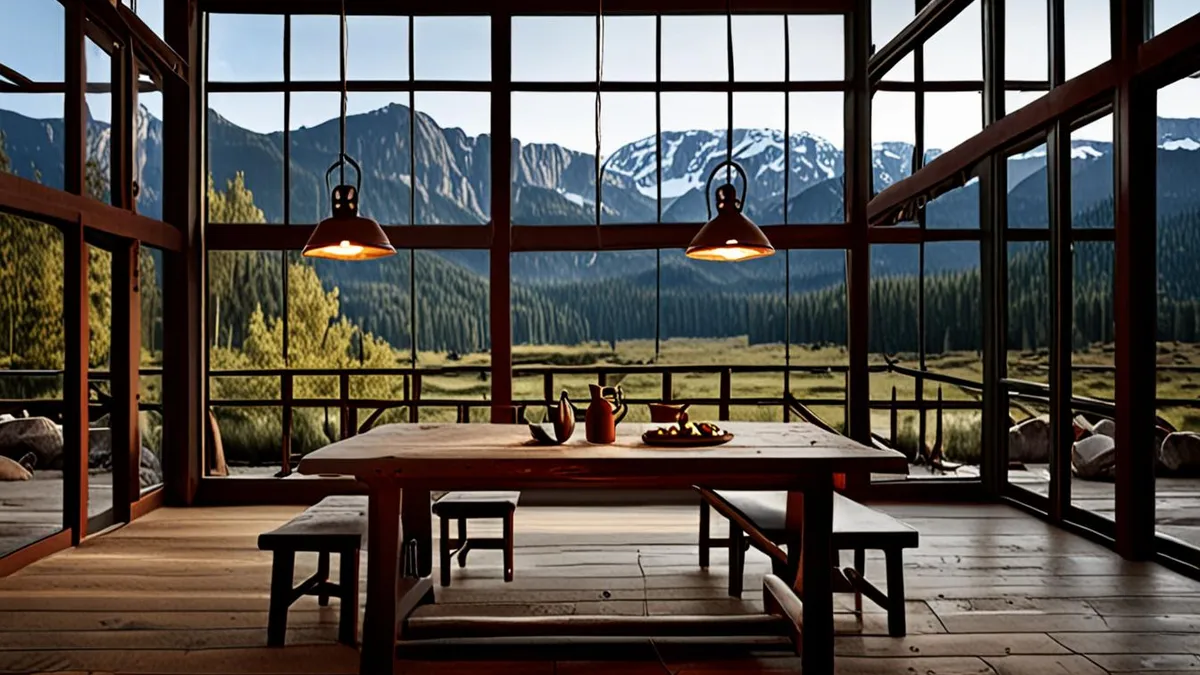
Days at a wilderness lodge follow a comfortable rhythm: active mornings, relaxed afternoons, and social evenings. Because most lodges host only 10 to 40 guests, the schedule feels personal rather than rigid, and guides get to know what each traveler enjoys. Knowing the routine helps you pack the right gear and set the right expectations.
- Morning breakfast and briefing. Mornings usually start with a group breakfast at a set time, where guides outline the day’s options and conditions. Fresh coffee, a solid hot meal, and a quick weather talk come standard. It’s the best moment to ask questions, swap plans with other guests, and sign up for the outing that suits your energy level for the day.
- Guided outing before midday. The main guided activity typically departs late morning, when wildlife is active and weather is often calmest. Outings might be a hike, a paddle, or a wildlife viewing excursion, usually lasting a few hours. Guides carry safety gear and usually handle snacks or a trail lunch, so you only need layers, water, and a camera.
- Afternoon downtime. After lunch, the schedule loosens. Most guests read, nap, or take advantage of the sauna or hot tub. Shorter optional activities, like a walk on nearby trails or a paddle close to the lodge, are often available if you want more. This is also the time to sort photos, dry wet boots, and chat with staff about tomorrow’s options.
- Communal dinner. Dinners are communal at most lodges, with guests eating together at set times. Expect shared tables, conversation with fellow travelers, and guides recapping the day’s sightings. Evenings tend to wind down early, since the next morning starts soon after sunrise in summer.
The structure is part of the appeal. You don’t have to plan logistics, cook, or drive anywhere, yet the day still has shape and the staff handle everything behind the scenes. If you prefer total independence, ask the lodge how flexible the schedule is before booking, since some are more structured than others and can usually accommodate a rest day if you’d rather skip an outing.
Choosing Your Season: Summer Versus Winter Stays
Season is the single biggest factor in what your wilderness lodge stay will actually feel like. Most northern lodges run two very different programs, and picking the wrong window for what you want to do is a common and expensive mistake.
Summer, roughly June through September, is when these lodges are at their busiest and most full-featured. Daylight stretches late into the evening in northern latitudes, which means long guided hikes, full-day paddles and your best odds of spotting wildlife like bears, moose, whales or eagles depending on the region. Trails, docks and viewing platforms are all in use, and the activity schedule is usually at its widest.
Winter stays, typically December through March, trade the trails for snow. Think snowshoeing, cross-country skiing and, in many northern locations, northern lights viewing on clear nights. The pace is slower, the groups are smaller and the atmosphere tends to be more fireside-and-hot-tub than expedition-style.
Shoulder months like May and October are the gamble. Rates can drop noticeably, but some activities may not be running, weather can swing hard in either direction, and wildlife is often less active. If your priority is price over program, they can work; if you have one shot at this trip, they are riskier.
- Summer wildlife timing varies by species — salmon runs, bear activity and marine wildlife each peak in different weeks, so ask the lodge when your target species is most reliably seen.
- Winter light is limited in far-north locations — in the deepest winter weeks you may only get a handful of daylight hours, which shapes how much you can fit into each day.
- Lake and water activities depend on conditions — kayaking and canoeing may start later or end earlier than the official summer season, so confirm what is running in your exact dates.
- Shoulder-season staffing is thinner — with fewer guests, some lodges operate reduced kitchens, fewer guides or limited housekeeping, which is part of why rates drop.
What an All-Inclusive Wilderness Lodge Stay Costs
All-inclusive wilderness lodge rates commonly run from $400 to $1,200 per person per night. That is a wide range, and where you land depends on region, season and room type. A basic cabin at a Canadian lake lodge in shoulder season sits near the low end, while a luxury Alaskan or Patagonian property in peak summer with a private suite can push the top of the scale.
The quoted nightly rate is rarely the whole bill. Premium excursions such as heli-hiking, fly-out fishing or private guides are billed separately, as are alcoholic drinks and gratuities. Together, these extras can add 15 to 25 percent to your total, so budget for them up front rather than being surprised at checkout.
Watch for transfer costs
Transfers are the most commonly overlooked line item. Many lodges include the boat or shuttle from the nearest airstrip or dock, but the flight to reach that airstrip is often a separate booking with a separate operator. Remote access can add several hundred dollars per person, sometimes more if you need a floatplane or charter. Before you compare rates between lodges, ask each one exactly what the quoted price includes: meals, activities, transfers, drinks and gratuities. Two lodges with similar nightly rates can end up costing very different totals once you itemize everything.
One more practical tip: ask whether premium excursions need to be reserved in advance or booked on site. Popular add-ons at small lodges can fill up, and knowing the cost before you arrive helps you build a realistic budget for the whole trip.
How and When to Book Your Stay
Remote lodges are small by design. Most host only 10 to 40 guests at a time, which is exactly what makes them special and exactly why they sell out. For a summer stay, book 6 to 12 months ahead. The best cabins and the most popular weeks — often mid-July through August — go first, and returning guests frequently rebook before rooms are ever listed publicly.
Winter dates are generally easier to secure, with more flexibility if you can travel midweek or in early December. The exception is the holiday stretch between Christmas and New Year, which sells out months in advance at many lodges despite the higher demand and premium pricing.
Before you commit, get the deposit and cancellation terms in writing. Remote lodges often have stricter policies than standard hotels, and for good reason: a canceled room at a 12-guest lodge is much harder to refill than one at a city hotel. Ask what happens if weather cancels your access flight, whether travel insurance is required, and how far out you need to cancel to recover your deposit.
- Ask about waitlists for peak weeks — if your preferred dates are full, many lodges keep a list and call when cancellations open up, which is common in shoulder months.
- Confirm which room types book first — lodges often hold their premium cabins for returning guests, so ask what is actually available before planning around a specific view or layout.
- Check group buyout options early — families and small groups wanting the whole lodge need far more lead time than couples, sometimes a full year or more.
- Ask about solo traveler policies — some lodges charge a single supplement or have limited solo-friendly rooms, which affects both price and availability.
Wrapping Up Your Lodge Planning
An all-inclusive wilderness lodge bundles meals, guided activities and remote access into one rate, which removes most of the guesswork that comes with planning a remote trip. Once you know that packages usually cover three meals daily plus one or two guided activities, and that alcohol, premium excursions and gratuities are often billed separately, you can compare quotes accurately and avoid surprise costs at checkout.
Three decisions shape the whole trip: choosing your season, calculating the total cost beyond the base rate, and booking early enough to secure a room. Because reaching your lodge typically means leaving the car behind and continuing by plane or boat, confirming exactly what your rate includes before you commit matters more here than at a roadside hotel. Ask the lodge directly which transfers are covered and which are not, and get the answer in writing.
A little preparation goes a long way once those details are settled. Pack for the activities you actually plan to do, ask about gear the lodge provides so you don’t duplicate it, and flag any dietary needs well before arrival, since remote kitchens order supplies in advance. Get the inclusions confirmed, and your wilderness stay should match what you pictured when you booked. If this helped you plan, leave a comment or share the article with a fellow traveler.