You’ve picked your dream safari destination but now face a confusing choice: a solid-walled lodge or a canvas tented camp? The safari lodge vs tented camp debate trips up even seasoned travelers, because both promise incredible wildlife — yet the experience of sleeping in each could hardly be more different. One gives you hotel-style comfort behind brick walls; the other puts you under canvas with hippos grunting outside your zip.
This guide breaks the decision down piece by piece. We’ll compare the core differences between the two styles, look at what you actually get inside each, and run through prices and the best times to book. Then we’ll cover location and wildlife access, atmosphere and group size, and the practical stuff — flights, luggage limits and who each option really suits. By the end, you’ll know exactly which stay fits your budget, your travel companions and how deep into the bush you want to go.
Safari Lodge vs Tented Camp: The Core Differences
The simplest way to understand the safari lodge vs tented camp question is to picture the buildings themselves. A safari lodge is a permanent structure: solid walls, tile or wood floors, proper windows and doors. Most lodges feel closer to a countryside hotel than a camp, with indoor dining rooms, swimming pools and staff who can fix anything with a phone call to reception.
What a tented camp really is
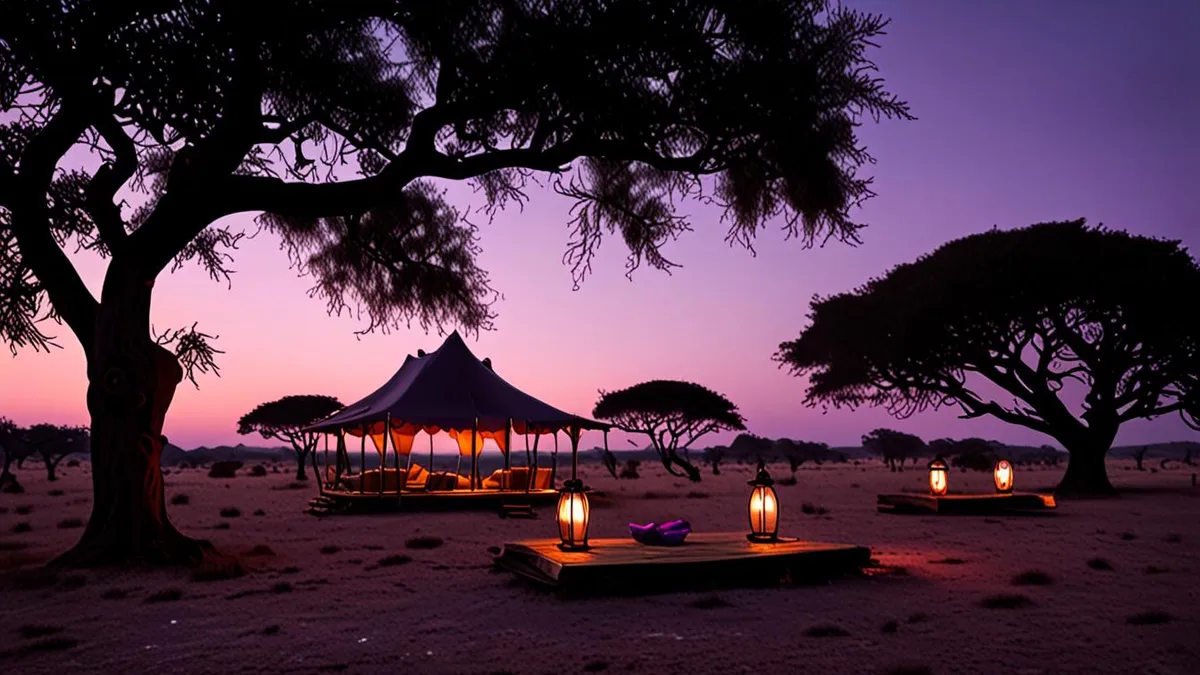
A tented camp puts your bedroom under canvas. That covers a wide range: at one end, simple dome tents with camp beds and a shared wash block; at the other, permanent luxury suites with canvas walls stretched over fixed frames, standing on wooden decks with real furniture and en-suite bathrooms. These aren’t tents you pitch yourself — they’re built structures that simply use fabric instead of brick.
The practical difference comes down to what you value. If you want hotel-style predictability — a locked door, air conditioning, a cocktail by the pool — a lodge will feel instantly comfortable. If you’d rather hear lions calling and elephants rustling past your tent at night, a camp trades some polish for a much stronger sense of being in the wild. Neither is better; they’re just different ways of experiencing the same bush.
Comfort Levels: What You Get Inside Each Stay
Inside a mid-range safari lodge, life feels familiar and predictable. Expect en-suite rooms with proper plumbing, buffet dining in a central restaurant, Wi-Fi in the main areas and, in many cases, a swimming pool and small spa. Power is usually reliable, and there’s generally someone at a front desk around the clock. If you like knowing exactly what you’re getting before you arrive, this style of accommodation delivers.
Luxury tented camps are a different story — and often more pampering than travelers expect. Think king beds dressed in linen, en-suite bathrooms with flush toilets or classic bucket showers, outdoor showers under the stars and a private veranda where coffee arrives at sunrise. Canvas doesn’t mean roughing it at this level; many guests find the combination of five-star comfort and wild surroundings more memorable than any hotel room.
Budget tented sites sit at the simpler end of the spectrum. Bathrooms may be shared, and power often comes from solar panels with limited hours for charging devices. What you give up in amenities, you gain in price and atmosphere — falling asleep to distant lion calls costs far less here than at a permanent luxury camp.
A few practical details worth checking before you book any camp, since they vary widely between properties:
- Hot water systems: some luxury camps use bucket showers filled on request, so staff need a few minutes’ notice — charming, but worth knowing if you like long showers.
- Wi-Fi reality: many camps offer it only in the main lounge, if at all, and speeds can be slow enough that video calls are out of the question. Treat connectivity as a bonus, not a given.
- Canvas soundproofing: tents carry sound both ways, so you’ll hear hyenas at night — and your neighbors will hear your alarm clock. Light sleepers may want earplugs.
- Charging arrangements: at solar-powered sites, ask whether charging happens in your tent or at a central station with set hours, and bring a spare battery for cameras.
Price Comparison and When to Book
Price is often the deciding factor in the safari lodge vs tented camp choice. As a broad guide, mid-range safari lodges typically cost USD 150-400 per person per night, usually including meals and game drives. Permanent luxury tented camps sit higher, typically USD 300-800 per person per night, reflecting their smaller guest numbers and all-inclusive service. Check what each rate covers — drinks, park fees and laundry can swing the real total significantly.
How the season changes the price
Timing matters as much as the property itself. The green season, running from November to March, brings rates roughly 20-40% below dry-season prices, along with lush landscapes, newborn animals and afternoon showers. If your dates are flexible, this is the easiest way to afford a luxury camp at a mid-range budget.
The flip side is the June to October dry season, when wildlife viewing peaks and so does demand. In popular parks, the best lodges and camps fill up early, so reserve 9-12 months ahead for peak-season stays. Booking late in the dry season usually means paying full price for whatever rooms are left — often not the ones you wanted.
One more tip: ask about single supplements and child rates before booking, as these vary widely between lodges and camps and can change your total more than the nightly rate itself.
Location and Wildlife Access
Where you sleep shapes how much of the bush you actually see. Mobile camps in the Serengeti relocate two to three times a year to follow the Great Migration, which means you can wake up minutes from the herds rather than driving hours from a fixed base. The trade-off is that these camps are remote by design, usually reached on fly-in itineraries rather than by road.
Lodges, by contrast, tend to cluster near park gates and permanent waterholes. That placement makes them practical for self-drive travelers and for shorter stays, since you can arrive late in the day and still fit in an afternoon game drive without a long transfer.
Private conservancies: the access advantage
Small camps set inside private conservancies offer something neither park-gate lodges nor migration camps can: off-road driving, night drives and far fewer vehicles crowding a lion sighting. Because these concessions are exclusive to the camps that hold them, you might watch a leopard for half an hour with only one other vehicle in sight, instead of a lineup at the roadside.
If your priority is simply maximum game density and predictable sightings, the June to October dry season in a well-positioned lodge works well. If it is solitude and flexibility, look at conservancy-based camps.
Atmosphere and Group Size
The size of your camp or lodge shapes the entire rhythm of your safari. Classic tented camps usually host just 8-20 guests, which creates communal dinners around a long table, shared stories from the day’s game drives and a close-knit bush rhythm that many travelers describe as the highlight of their trip.
Large lodges, often running 40-100+ guests, offer more in return: bigger menus, extensive facilities and a lively social scene. The downside shows up at dawn, when the vehicles heading out to the same waterhole can make popular sightings feel busy, and in dining rooms where service runs more like a hotel than a homestead.
What evenings look like at each
Camps center their evenings on campfires, star-gazing and conversation with your guides, since there is little else to do and most guests would not want it any other way. The night sky far from any town lights is genuinely spectacular, and small groups tend to make new friends quickly.
Lodges put the emphasis on facilities instead. Between game drives you can swim laps, use the gym, let children burn off energy at a kids’ club or simply retreat to a quiet corner with a book. If evenings matter as much as wildlife to you, that difference alone can decide the question.
Practical Logistics: Flights, Luggage and Who Each Suits
Getting to remote camps changes how you pack, and this is where many first-time safari travelers get caught out. Most fly-in safaris use light aircraft with a 15 kg soft-bag luggage limit, so hard-shell suitcases are genuinely a problem, not just a style issue. Small planes have narrow baggage holds and no room for rigid cases, and some operators weigh both you and your bags at check-in. Pack a soft duffel bag instead, keep camera gear and daily essentials in a small daypack at your feet, and assume you will wear your heavier layers, such as hiking boots and a fleece for early morning drives, rather than carry them in the hold.
Access and setup also shape who each option suits best. Families with young children generally find lodges easier to manage, thanks to fenced grounds, interconnecting rooms and the sheer convenience of having a pool and buffet meals on hand between game drives. A lodge near a park gate also means shorter transfers and easier logistics if someone needs a rest day, while a remote camp may involve several hours of flying and road transfers to reach.
Who each stay fits best
- Honeymooners: small camps usually arrange private dinners on your own veranda, staff who learn your names within a day and single-party vehicles that keep the experience intimate.
- Photographers: low guest density at camps often means smaller vehicles with window-seat guarantees and guides willing to wait at a sighting for the light to change.
- First-time safari goers: lodges remove friction, since drivable access from towns or park gates means no light-aircraft transfer to plan around and more flexible arrival times.
- Longer-stay travelers: splitting a trip between one lodge and one camp gives you both hotel-style recovery days and full bush immersion without committing your whole budget to either.
Whichever you pick, confirm luggage rules and transfer details with your operator before booking, since limits, aircraft types and flight schedules vary between operators and regions. A quick email at the planning stage is far easier than repacking at a bush airstrip.
Which Stay Should You Choose?
So which one wins? If comfort, predictability and family practicality top your list, a lodge is the safer bet — especially at mid-range prices, where you get hotel-style rooms, dining and facilities without stretching your budget. If atmosphere matters more than amenities, a tented camp delivers the bush sounds, campfires and small-group intimacy that many travelers remember long after the trip.
Your budget, travel season and appetite for immersion will usually make the decision for you. A green-season visit lowers rates at both options, while peak dry-season stays reward early booking wherever you sleep. Either way, both stays put you in the heart of the bush — the difference is simply how close to the canvas you want to be. Which would you choose? Tell us in the comments, or share this article with your safari companions.