Torn between pitching a tent and booking a safari tent with a real bed? Many travelers face the same dilemma when planning a trip outdoors. On one side, traditional camping promises independence and low nightly fees. On the other, glamping offers furnished accommodation in beautiful settings — but at a price that can rival a mid-range hotel. Without a clear comparison, it’s hard to know which option actually fits your budget and your comfort threshold.
This guide breaks down glamping vs camping across the questions that matter most: the core differences at a glance, what each option really costs once gear and nightly rates are added up, the comfort and amenities you can expect, and how a typical day unfolds on each type of trip. You’ll also find advice on where each stay type shines, when to book popular sites and properties, and a simple framework for choosing between the two. By the end, you should know exactly which version of the outdoors suits you.
Glamping vs Camping: The Core Differences at a Glance
The fundamental difference comes down to who provides the shelter. On a traditional camping trip, you bring everything yourself: the tent, sleeping bags, sleeping pads, a stove or cooking equipment, coolers, lanterns and all the small extras that make a night outdoors workable. Once you arrive at your pitch, setting up is on you — unpacking the car, assembling the tent, inflating mattresses and organizing the cooking area before you can finally relax.
Glamping removes almost all of that work. You arrive to a pre-built, furnished unit — a safari tent, geodesic dome, cabin or yurt — with proper beds already made, lighting in place and, in many cases, electricity and heating included. Some properties add kitchenettes, wood stoves or en-suite bathrooms, so the experience starts the moment you walk through the door rather than an hour after you arrive.
Which type of traveler suits each option
Camping rewards self-sufficient travelers: people who enjoy the routine of setting up camp, don’t mind sleeping on a pad and see the hands-on logistics as part of the trip. It also suits anyone who already owns gear and wants maximum flexibility to move between sites.
Glamping suits travelers who want nature without the setup work — the fresh air, dark skies and scenic surroundings, but with a real mattress at the end of the day. If assembling a tent in fading light sounds like a chore rather than an adventure, a furnished unit is likely the better match.
Cost Breakdown: What Each Option Really Costs
The price gap between the two options is significant, and it’s worth looking beyond the nightly rate. A basic campsite pitch typically runs $15–$40 per night, which sounds remarkably cheap until you factor in equipment. Entry-level camping gear — a serviceable tent, sleeping bags, pads, a stove and cookware — costs roughly $300–$600 to start. That’s a one-time investment, but it lands entirely on your first trip.
Glamping units typically cost $150–$500 per night depending on the property, location and season. The rate is higher, but it covers nearly everything: no tent to buy, no sleeping bags to store in your garage and no stove to maintain. Over a week, camping is far cheaper if you already own equipment, since your only real cost is the nightly pitch. Glamping costs more, but the rate includes furnishings, heating and often meals — so the comparison isn’t just about price, it’s about what’s bundled in.
- Hidden camping costs: beyond the pitch fee and gear, budget for ice, fuel canisters, firewood and replacement items like tent pegs or a broken pole, which add up quietly over a longer trip.
- What glamping rates often include: many properties bundle breakfast, daily housekeeping, towels and linens, and sometimes extras like firewood deliveries or kayaks — items you’d otherwise buy or rent yourself.
- The gear-as-investment angle: if you camp two or three times a year for several years, that $300–$600 starter kit spreads thin across many trips; if it’s a one-off vacation, the gear cost effectively doubles the price of a short camping break.
- Group math: glamping units usually sleep 2–4 guests, so a family of four often needs one unit, while camping families pay per pitch — the per-person gap narrows for larger groups.
Comfort and Amenities Compared
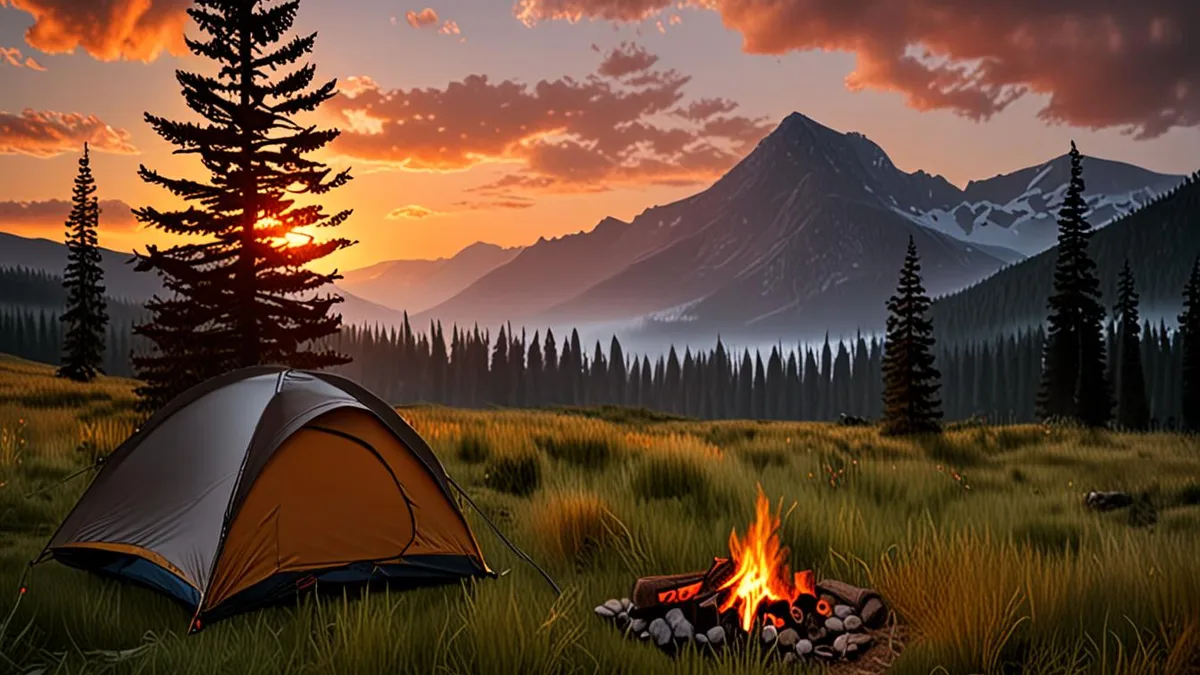
Comfort is where the two options diverge most sharply. On a camping trip, your sleep setup is a sleeping bag on a pad or air mattress, your bathroom is a shared facility or a pit toilet back at the campground, and your kitchen is a campfire grill or a two-burner stove. It’s entirely workable — millions of people love exactly this — but every comfort is one you create yourself, from brewing coffee on a stove to warming up with layers of clothing on a cold morning.
Glamping flips that equation. A typical unit comes with a real bed on a proper frame, private or en-suite bathroom facilities, and heating or cooling that keeps the interior comfortable regardless of what the weather is doing outside. Many properties go further, adding wood-fired hot tubs, outdoor showers, kitchenettes or even chef-prepared meals delivered to your tent. For a closer look at how far the luxury end goes, see this guide to hotels that deliver a true glamping experience.
How weather changes the picture
Weather tolerance is the difference many first-timers underestimate. A standard tent with sleeping bags is fine on a mild summer night, but shoulder-season evenings — when temperatures drop after sunset — can make for a long, cold sleep, and a soaked tent in steady rain is nobody’s idea of fun. A furnished tent or cabin with heating simply handles those nights that a basic tent cannot, extending your season comfortably into spring and fall. If you’re set on camping, check whether your site allows fires for warmth and pack a sleeping bag rated for colder temperatures than the forecast suggests.
What to Expect Day to Day on Each Trip
A camping day starts and ends with logistics. You arrive, scout a level spot, pitch the tent, roll out sleeping pads and set up the stove or fire ring. Meals take planning too: food needs to be packed in, stored safely from wildlife and cooked over gear you brought yourself. On the final morning, everything gets packed down, swept out and hauled home, which can easily eat two or three hours of your day.
Glamping flips that rhythm. You arrive to a made bed, and many properties include breakfast service or a stocked kitchen. Staff handle the maintenance that campers do themselves, so your morning starts with coffee on a deck rather than a trip to the water pump. When you leave, you simply close the door.
The activities are the same — the effort is not
Both trips deliver the same core experiences: hiking trails, stargazing far from city lights and swimming, paddling or fishing at nearby lakes and rivers. The difference is how much energy the logistics consume. A camper who spends the afternoon gathering firewood and filtering water has less left for an evening hike. A glamping guest can finish a trail, shower in a private bathroom and still make it to a sunset viewpoint without thinking about the tent. If your goal is maximum time on the trail with minimum setup work, that gap matters more than any single amenity.
Where Each Option Shines: Destinations and Settings
Glamping properties are usually built into landscapes chosen for drama. Desert retreats put you under wide-open night skies, vineyard estates pair your tent with wine tasting a short walk away, and rainforest lodges surround your deck with birds and canopy views. In these settings, the property itself is part of the experience — the design, the dining and the views are curated, and you pay for that curation.
For example, travelers drawn to immersive green settings often look at Costa Rica’s secluded rainforest retreats, where the lodge experience and the wilderness blend into one.
Where camping still wins
Camping works best where the site itself is the destination: national parks, backcountry trails and lakeshores where the reward is the view from your own tent, not the tent itself. Pitching your own shelter in a remote wilderness area gives you access that a fixed glamping unit often cannot match, since campgrounds and backcountry permits reach places no resort has been built.
The simple rule: remote wilderness favors camping, curated landscapes favor glamping. Match the stay type to the setting and both can deliver a memorable trip.
Booking and Timing: When to Reserve Each Stay
Booking windows differ sharply between the two options, and knowing them early can save your whole trip. For popular campgrounds, reserve 3–6 months ahead for June–August weekends, when sites in well-known parks can disappear within minutes of opening. Glamping properties need even more lead time: book 6–12 months ahead for high season, because most units sleep only 2–4 guests and there are few of them, so they sell out fast. If you have a specific tent or cabin in mind, treat it like booking a small boutique hotel rather than a campsite.
If your dates are flexible, shoulder season is the smartest move. May and September typically offer better availability and lower rates for both camping and glamping, with fewer crowds on the trails as a bonus. Weather is usually milder then too, which makes tent camping more pleasant and glamping balconies or decks more usable. Midweek dates in any season are another easy win — availability opens up and minimum-stay rules are less likely to apply.
Whatever you choose, book directly with the park or property when possible, and reconfirm your reservation a week before departure. Policies and availability change, and a quick check avoids surprises at the gate.
A few booking details worth checking
- Campsite reservation systems often use rolling release windows, so sites for a specific date go on sale months in advance — set a reminder if you have your heart set on a particular park.
- Some glamping properties charge minimum-stay requirements on weekends and holidays, so a one-night stay may only be possible midweek.
- Glamping cancellation policies tend to be stricter than campsite ones, since a single unsold unit represents a large share of the property’s revenue.
- Check whether bedding, towels and firewood are included at campsites with rustic cabins or shelters, as these are often rented separately.
Choosing Between Glamping and Camping
So which one fits your budget and comfort needs? The answer comes down to three honest questions: how much you want to spend, whether you already own gear, and how much setup work you actually enjoy. Camping wins on cost and self-reliance — a night in a tent is far cheaper, especially once your equipment is paid for. Glamping wins on comfort and convenience, with real beds, private bathrooms and none of the packing.
Neither option is better in absolute terms. Both deliver time outdoors, fresh air and the same trails and stars at the end of the day. The right choice is simply the one that matches your budget and your comfort threshold. If you’ve camped before and loved it, stick with the tent. If the idea of an air mattress on cold ground makes you wince, book the furnished cabin instead. Did this help you decide? Leave a comment or share the article with a friend who’s still on the fence.