Many travelers book adults-only resorts expecting guaranteed silence and five-star luxury, then arrive wondering what actually changes once kids are off the guest list. The label promises a lot but explains little, and the reality is more nuanced than the brochure photos suggest.
This guide breaks down what the term really means, from age policies to resort sizes, and what shifts compared to a family property: the pools, the dining, the evenings and the rooms. We’ll look at who these resorts suit best, what you’ll typically pay, how to choose the right one, and where the strongest adults-only scenes are found. By the end, you’ll know whether an adults-only stay is worth the premium for your next trip.
What Adults-Only Resorts Actually Are
The term “adults-only” sounds straightforward, but the fine print varies more than most travelers expect. Most properties require guests to be 18 or older, some welcome travelers from 16, and a few set the minimum age at 21. That difference matters: a 16-plus resort in spring break season feels very different from a 21-plus property, so check the exact policy before booking rather than assuming.
Adults-only says nothing about quality
The label is a guest policy, not a rating. It spans everything from budget-friendly beach clubs with simple rooms to ultra-luxury five-star retreats with butler service and multiple gourmet restaurants. A two-star adults-only hotel can be noisier and more basic than a family resort down the road, so treat the age rule as one filter among many, not a promise of polish.
It’s also worth knowing that not every adults-only resort is adults-only all year. Some properties operate as adults-only year-round, while others convert specific wings or seasons to adults-only, keeping families welcome the rest of the time. If a quiet stay is the whole point of your trip, confirm that the policy covers your exact travel dates and the section of the resort you’ll be staying in.
What Changes Compared to a Family Resort
The most noticeable change hits you by the pool on day one: quieter decks, no splash contests and no line of inflatables at the swim-up bar. Without kids’ clubs or water parks taking up space and energy, the whole property runs at a slower pace. Music is softer, staff move at a calmer rhythm, and the pool deck that would be packed with loungers by mid-morning at a family resort stays relaxed through the day. Evenings shift too, with bars and restaurants staying lively later into the night rather than winding down when the youngest guests head to bed.
Dining and entertainment lean heavily toward couples. Instead of character breakfasts and family game shows, you’ll find romantic dinners on the beach, wine tastings, spa programs and live music in the evenings. Service staff tend to know repeat guests by name, since the smaller guest count makes personal attention easier to deliver. Rooms follow the same logic, with layouts designed for two, so family suites and connecting rooms are rare or simply don’t exist.
- Pool scene: expect more swim-up bars, infinity pools and quiet zones with daybeds, plus fewer rules about pool hours since there are no shallow children’s areas to protect.
- Evening rhythm: bars often stay open late, and entertainment tends to be acoustic sets, DJs or themed cocktail nights rather than early-evening stage shows.
- Wellness focus: spas are usually larger and more central to the experience, with couples’ treatment rooms and thermal circuits common at mid-range and above.
- Room design: think king beds, soaking tubs for two and private balconies or plunge pools, with single-bed family configurations largely absent from the room mix.
None of this means the atmosphere is stuffy or silent. Many adults-only properties still have a social buzz, especially around the main pool and lobby bar, but the energy comes from adult conversation rather than family logistics. If you’re picturing a resort where you can read a book uninterrupted at breakfast and linger over dinner without early-morning noise, this setup delivers it more reliably than a family resort ever will.
Who Adults-Only Resorts Suit Best
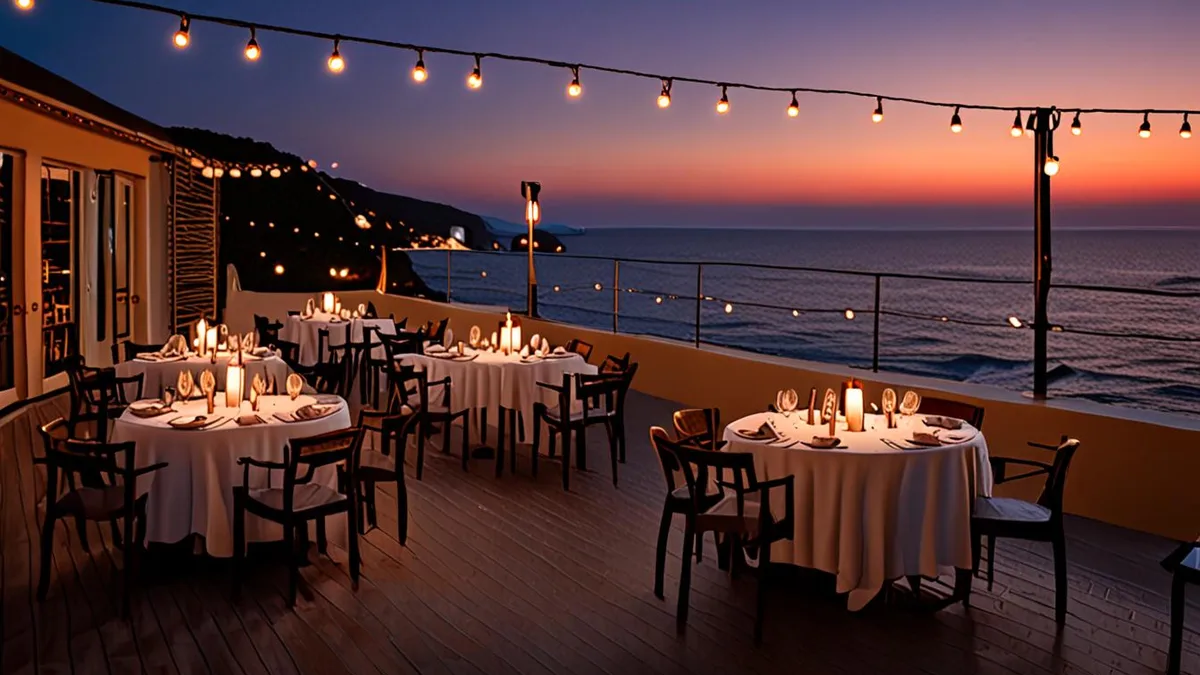
Couples on honeymoons or anniversaries are the clearest fit, and the resorts know it. Romance-focused packages are common, often pairing champagne on arrival with couples’ spa treatments, and private dining experiences such as a candlelit dinner on the beach can usually be added to your stay. With no family crowds competing for sunset tables, the whole atmosphere works in your favor.
Friend groups and solo travelers
Adults-only doesn’t mean couples-only. Friend groups often choose these resorts for a relaxed base with good bars, decent food and a social but unhurried pool scene. Solo travelers can also do well here, particularly at mid-size properties where it’s easy to join a wine tasting or a group dinner without feeling out of place, and without family-centred noise dominating the common areas.
When it’s the wrong choice
If your ideal trip includes kids’ activities, a large water park or lively family entertainment, a standard resort will serve you better. Travelers who want daytime energy, supervised children’s programming or multi-generational travel should skip the adults-only label entirely. And if you’re traveling with teenagers, remember most properties won’t admit guests under 16, so the decision is often made for you.
How Much Adults-Only Resorts Cost
Let’s talk numbers, because adults-only does come at a price. Rates at these properties typically run 10-30% above comparable family resorts in the same destination. You’re paying partly for the quieter, more premium positioning, and partly because these resorts tend to invest more in dining, spa facilities and design details than your standard family property.
If you’re booking an all-inclusive adults-only package, expect a common range of $250 to $800 per person per night. Where you land in that range depends on two things: the destination and the star level. A mid-range property in a less expensive destination sits near the lower end, while a five-star resort with premium liquor, à la carte dining and butler service pushes toward the top.
Timing your trip to save money
The good news is that timing can work strongly in your favor. In the Caribbean, peak season runs December to April, and that’s when rates are highest. Travel in shoulder season instead, meaning May-June or September-November, and you can often cut rates by 20-40%. You trade a small risk of rain for thinner crowds and significantly better value, which many couples consider a fair deal.
One more tip: if you’re leaning toward the higher end of the budget range, it helps to understand what a true luxury all-inclusive includes before you commit. Reading up on luxury resorts with all-inclusive packages can help you judge whether a top-tier rate actually covers what you’d otherwise pay for separately.
How to Choose the Right Adults-Only Resort
Not all adults-only resorts deliver the same experience, so a little homework before booking pays off. The single most important detail is the exact age policy. A property that admits guests 16 and up will feel very different from one that requires everyone to be 21, and each policy attracts a noticeably different crowd. If you’re hoping for a mature, quiet atmosphere, an 18+ or 21+ property is usually the safer bet.
Size matters too. Small resorts of 50-150 rooms feel intimate and personal, while 200-300 room properties trade some of that intimacy for more restaurants, bars and activities. Match the vibe to your goal: honeymooners often prefer the smaller end, while friend groups may appreciate the variety of a larger resort.
- Filter reviews by recent dates: a resort’s atmosphere can shift after renovations, management changes or new nearby construction, so prioritize reviews from the last few months over older praise.
- Search reviews for keywords: scan guest feedback specifically for words like “noise,” “music,” “pool party” and “spring break” to spot whether a property leans lively rather than serene.
- Check the resort’s event calendar: some adults-only properties host themed weeks, DJ nights or group fitness events that dramatically change the mood on certain dates.
- Compare room categories early: popular properties sell out their best-value room types first, so knowing which category you want helps you act when you see availability.
Finally, book 4-6 months ahead for high-season dates at popular properties. That window gives you the best chance of securing both your preferred room category and a reasonable rate, since the most sought-after adults-only resorts fill up well before peak season arrives.
Where Adults-Only Resorts Thrive
Adults-only resorts exist all over the world, but a few regions have turned the concept into a specialty. If you want the widest choice of properties and price points, these are the destinations to start with.
The Caribbean and Riviera Maya
The Caribbean and Mexico’s Riviera Maya host the densest concentration of adults-only beach resorts anywhere. From intimate boutique properties to sprawling all-inclusive complexes, the selection here is unmatched, and competition between resorts keeps quality high. The best time to visit is December to April, when the weather is at its most reliable, though that’s also when rates peak.
Southeast Asia and the Mediterranean
Southeast Asia takes a different approach. Rather than beachfront all-inclusives, the region specializes in jungle and cliffside retreats where seclusion is the whole point. Thailand’s quieter islands are particularly well suited to couples who want privacy over entertainment schedules, and you can get a feel for this style by reading about luxury jungle retreats in Thailand.
The Mediterranean runs its adults-only scene from May to October. The Greek islands and the Balearics have strong offerings here, typically in smaller cliffside and beachfront hotels rather than large all-inclusive compounds. If your ideal trip combines quiet mornings, scenic villages and long dinners, the Mediterranean season may suit you better than the Caribbean’s winter window.
Wrapping Up: Is an Adults-Only Resort Right for You
Removing kids from the guest list does more than lower the noise level. Adults-only resorts trade kids’ facilities for quieter pools, couples-focused dining and a calmer evening atmosphere, usually at a 10-30% price premium. You are paying for a mood as much as a room: no character shows, no splash parks, just a slower pace built around couples and grown-up downtime.
They suit couples, friend groups and solo travelers, while families and activity seekers are better served elsewhere. Before you book, verify the age policy, room count and recent reviews, and book 4-6 months ahead for peak-season value. If this helped you decide, leave a comment or share the article with a travel partner.